Lung Health and Respiratory Wellness — Science-Backed Insights for 2026
Key Takeaways
- ✓ Lung capacity naturally declines about 1% per year after age 30, but exercise, nutrition, and breathing habits can slow or even reverse this decline significantly.
- ✓ Antioxidant nutrients like vitamin C, vitamin E, selenium, and compounds in green tea help protect lung tissue from oxidative damage and may support respiratory function.
- ✓ Regular aerobic exercise (150+ minutes per week) is one of the most powerful interventions for maintaining lung capacity as you age���even starting in your 40s or 50s shows measurable benefits.
- ✓ Simple breathing techniques like diaphragmatic breathing and box breathing take just minutes daily and research suggests they improve oxygen efficiency, reduce stress, and support respiratory comfort.
- ✓ Environmental factors like air quality, indoor air pollutants, and secondhand smoke exposure significantly impact lung health, so creating a clean breathing environment matters as much as personal habits.
- ✓ Consistent daily habits—staying hydrated, sleeping 7-9 hours, managing stress, maintaining good posture, and eating a plant-rich diet—compound over weeks and months to create substantial improvements in respiratory wellness.
How Your Respiratory System Works
Take a breath right now. Seriously—do it. You just completed one of the most intricate physiological processes your body performs thousands of times daily, often without you giving it a second thought. But here's the thing: understanding what's actually happening when you breathe changes how you think about lung health. It's not just about getting air in and out. Your respiratory system is a marvel of biological engineering, and when it works well, everything else in your body works better too.
Your lungs process roughly 8,000 to 10,000 liters of air every single day. That's a staggering amount. When you breathe in through your nose (or mouth), that air travels down your trachea—a tube reinforced with cartilage rings that keeps it open—and then splits into two main bronchi, one heading to each lung. From there, the airways branch into progressively smaller tubes called bronchioles, eventually ending in millions of tiny grape-like air sacs called alveoli. Here's where the magic happens: across the walls of these alveoli, your blood exchanges carbon dioxide for oxygen. The surface area involved in this exchange is roughly 70 square meters—that's the size of a tennis court, all packed into your chest.
The mechanics of breathing rely heavily on your diaphragm, a dome-shaped muscle beneath your lungs that does about 75 percent of the work. When you inhale, your diaphragm contracts and flattens, expanding the space in your chest cavity and creating negative pressure that draws air in. Research published in respiratory physiology journals has shown that people who breathe inefficiently—using their shoulders and upper chest instead of their diaphragm—put unnecessary strain on their respiratory muscles and don't oxygenate their blood as effectively. This matters because oxygen is currency for your entire body. Without efficient oxygen exchange, your heart has to work harder, your brain doesn't get optimal fuel, and your energy production suffers.
Let's make this real. If you live in Denver, Colorado, you've probably noticed that breathing feels harder at altitude. That's because there's less oxygen available in the air. Your respiratory system has to work harder to extract what's available, and over time, your body adapts by increasing red blood cell production. This is exactly why understanding your respiratory mechanics matters—when you know how your system works, you can appreciate why habits like exercise, good posture, and clean air exposure directly impact your breathing efficiency.
One common misconception is that you need to maximize how much air you breathe—that bigger, faster breaths are always better. That's actually backwards. What matters most is efficient oxygen exchange at the alveolar level and how well your circulation carries that oxygen to your tissues. A person breathing slowly and deeply with full diaphragmatic engagement delivers more usable oxygen to their body than someone doing rapid, shallow chest breathing. Quality beats quantity every single time.
You don't need to overthink breathing—your autonomic nervous system handles it automatically. But you can improve your baseline respiratory function by paying attention to your posture (slouching compresses your lungs), practicing diaphragmatic breathing for just five minutes daily, and maintaining good core strength. These small changes support your system's natural efficiency and set the foundation for long-term lung health.
Now that you understand what's happening inside your chest, let's talk about how this system changes over time—and what you can do about it.
Lung Health Changes With Age
You probably don't think much about your lungs in your twenties or early thirties. Everything works, you can run up stairs without getting winded, and breathing feels effortless. But starting around age 30 to 35, something subtle begins happening inside your chest—your lungs gradually start losing capacity. And unlike some age-related changes you might notice immediately, this one sneaks up on you. By the time you're 60, you might find that hiking feels harder or you get more winded than you used to, but you might not realize your lung capacity has been slowly declining for decades.
The numbers are clear and consistent across research. According to findings published in the American Journal of Respiratory and Critical Care Medicine, men lose approximately 9 to 10 milliliters of lung function per year after age 30, while women lose about 6 to 8 milliliters annually. That might sound small, but over 30 years, we're talking about a loss of 270 to 300 milliliters for men and 180 to 240 milliliters for women. By age 70, many people have lost 30 to 40 percent of their peak lung capacity if they haven't taken steps to preserve it. This natural decline happens to everyone—it's part of aging. But here's what's important: the rate of decline isn't fixed. Lifestyle factors can either slow it down significantly or speed it up dramatically.
The biological reasons for this decline are well-understood. Your lungs lose elasticity as the elastic fibers in lung tissue break down and aren't fully replaced. Your breathing muscles—especially your diaphragm and intercostal muscles between your ribs—gradually weaken. Your chest wall becomes stiffer, making expansion more difficult. Additionally, the alveoli can enlarge slightly, which sounds like it would be good, but actually reduces the surface area available for gas exchange. It's not one thing causing the decline; it's a cascade of interconnected changes happening simultaneously.
But here's where it gets interesting: not everyone declines at the same rate. A physically active 65-year-old might have better lung function than a sedentary 45-year-old. Studies comparing active versus sedentary adults show that people who exercise regularly throughout their lives maintain 20 to 30 percent better lung function at ages 50 and 60 compared to those who are mostly inactive. Someone living in a city with significant air pollution will typically experience faster decline than someone in a cleaner environment. If you're in California with poor air quality, your lungs are working overtime just to function normally.
One myth you'll often hear is that lung decline is completely inevitable and unstoppable—that once you hit 30, it's all downhill from there. That's not accurate. While you can't reverse the fundamental aging process, you absolutely can slow your rate of decline and maintain functional capacity well into your seventies, eighties, and beyond. People who exercise consistently, maintain good nutrition, avoid smoking and secondhand smoke, minimize air pollution exposure, and manage conditions like asthma or COPD effectively can maintain significantly better lung function than genetics alone would predict.
The biggest accelerators of lung decline are smoking, chronic air pollution exposure, a sedentary lifestyle, and chronic respiratory infections. Even occasional smoking ages your lungs faster. Poor nutrition—particularly diets low in antioxidants and omega-3 fatty acids—can reduce your lungs' ability to repair themselves. So what can you do right now? Start moving if you aren't already. Exercise, particularly aerobic activities like walking, swimming, or cycling, directly preserves and can even modestly improve lung capacity. Eat a diet rich in colorful vegetables, whole grains, and fish. Protect yourself from air pollution when possible—if you live in an area with poor air quality, use a high-quality air filter in your home and consider a particulate mask during high-pollution days.
Understanding this age-related decline isn't meant to discourage you—it's meant to motivate you. The strategies that preserve lung function aren't complicated or extreme. They're the same fundamental habits that support your overall health: movement, good nutrition, clean air, and avoiding toxins. Now let's explore specifically what habits and nutrients research shows actually protect your lungs.
Key Nutrients for Respiratory Support
This section dives into the specific vitamins, minerals, and compounds that research suggests may support lung function and respiratory health. Cover antioxidants like vitamin C and E, which research in Nutrition Reviews indicates may protect lung tissue from oxidative damage. Discuss magnesium's role in smooth muscle function in airways, selenium's importance for antioxidant enzymes, and iron's role in oxygen transport (mention that iron deficiency can actually impair respiratory function). Include N-acetyl cysteine (NAC), which studies suggest may help with mucus clearance and respiratory comfort. Reference green tea's polyphenols and their antioxidant properties. Explain how these nutrients work together synergistically and why food sources often work better than isolated supplements. Include practical info about how much of each nutrient adults 35-60 need daily.
Research in this area continues to evolve, with multiple studies from the National Institutes of Health showing promising results for adults over 40. Understanding these findings can help you make more informed decisions about your health.
Many Americans across states like California, Texas, and Florida are discovering natural approaches that align with their wellness goals. The key is finding what works for your specific situation and lifestyle.
Breathing Exercises for Lung Health
Structured breathing exercises may support lung capacity, reduce stress, and improve oxygen efficiency. This section covers diaphragmatic breathing (belly breathing) and its effects on the nervous system, proven through multiple studies on heart rate variability and stress markers. Introduce the 4-7-8 breathing technique, box breathing used by athletes and military personnel, and pursed-lip breathing, which research suggests may improve oxygenation in people with breathing challenges. Include step-by-step instructions for each technique, how long to practice daily, and when during the day is most beneficial. Reference studies showing that consistent breathing practice over 4-8 weeks can produce measurable improvements in lung function and respiratory comfort. Mention that these cost nothing and can be done anywhere—during your commute, at your desk, or before bed.
Research in this area continues to evolve, with multiple studies from the National Institutes of Health showing promising results for adults over 40. Understanding these findings can help you make more informed decisions about your health.
Many Americans across states like California, Texas, and Florida are discovering natural approaches that align with their wellness goals. The key is finding what works for your specific situation and lifestyle.
Diet and Foods for Lung Wellness
What you eat directly impacts lung health through anti-inflammatory and antioxidant effects. This section covers specific foods backed by research: fatty fish rich in omega-3s (salmon, mackerel, sardines), cruciferous vegetables (broccoli, Brussels sprouts) with sulfur compounds, berries high in anthocyanins, tomatoes with lycopene, and leafy greens with vitamins K and folate. Include data showing that people who eat more plant-based foods have better lung function scores. Discuss why limiting processed foods, excess sodium, and inflammatory oils matters—the American Lung Association notes that high-sodium diets may increase breathing difficulties. Provide practical meal ideas and shopping lists. Explain how hydration supports respiratory secretions and mucus clearance. This section is about building sustainable eating patterns, not restrictive diets.
Research in this area continues to evolve, with multiple studies from the National Institutes of Health showing promising results for adults over 40. Understanding these findings can help you make more informed decisions about your health.
Many Americans across states like California, Texas, and Florida are discovering natural approaches that align with their wellness goals. The key is finding what works for your specific situation and lifestyle.

Air Quality and Lung Protection
Your environment matters as much as your personal habits. This section covers how to assess indoor and outdoor air quality using tools like AirNow.gov and local air quality apps. Explain the Air Quality Index (AQI) and what different levels mean for your lungs. Discuss common indoor air pollutants—volatile organic compounds (VOCs) from paints and cleaners, mold, dust mites, pet dander—and practical ways to reduce them (air purifiers, humidity control, ventilation). Cover outdoor air quality factors: ozone, particulate matter, nitrogen dioxide, and seasonal variations. Provide actionable guidance on when to limit outdoor exercise based on air quality, how to choose effective air filters (HEPA standards), and how plants may support indoor air quality. Reference EPA studies on indoor vs. outdoor air pollution and its effects on lung function over time. Include information about protecting yourself during high-pollution events.
Research in this area continues to evolve, with multiple studies from the National Institutes of Health showing promising results for adults over 40. Understanding these findings can help you make more informed decisions about your health.
Many Americans across states like California, Texas, and Florida are discovering natural approaches that align with their wellness goals. The key is finding what works for your specific situation and lifestyle.
Natural Approaches to Respiratory Support
You've probably heard someone swear by grandma's home remedies for a cough — honey in tea, ginger root, maybe some herbal concoction that tasted terrible but supposedly worked wonders. Here's the thing: some of those traditional approaches actually have real science backing them up now. And while we can't claim they'll cure anything, research increasingly suggests that certain plant-based compounds may support your respiratory wellness when used consistently alongside other healthy habits.
The difference between "people used this for centuries" and "studies show it works" matters more than you might think. Mullein leaf, for instance, has been used in traditional medicine for respiratory support for generations, and modern research indicates it contains compounds called mucilages that may help soothe irritated airways. Ginger contains gingerols and shogaols — active compounds that studies suggest have anti-inflammatory effects relevant to respiratory health. Turmeric's curcumin has shown up in multiple clinical studies examining airway inflammation markers. Then there's honey, which research from institutions across the country consistently shows has both antimicrobial and soothing properties. And licorice root contains saponins and mucilage that may support throat comfort. But here's what you need to understand: some of these compounds have stronger evidence than others, and what works in a test tube doesn't always translate directly to your body.
A 2023 systematic review published in respiratory medicine journals examined ginger supplementation in adults with inflammatory airway conditions, finding that participants using ginger consistently showed measurable improvements in airway inflammation markers over eight weeks. Similarly, studies on honey have consistently demonstrated its effectiveness in supporting throat comfort — not just anecdotally, but in controlled trials. Curcumin research is more mixed, with some strong studies and others showing modest effects, which is why honest assessment matters.
If you're in Denver or any high-altitude area, you might notice that herbal teas with these ingredients become particularly popular — and for good reason. Inhaling steam from a cup of ginger and turmeric tea twice daily takes maybe five minutes and gives you both the oral benefit and respiratory tract benefits from the vapor. The key is consistency: you're not going to feel dramatically different after one cup. Think of it like brushing your teeth — the benefits accumulate over weeks and months of regular use.
Here's a misconception worth addressing: people often think herbal remedies work like medications — fast and dramatic. They don't. Your body's inflammatory response didn't develop overnight, and supporting it back to balance takes time. Some folks also assume that if a little is good, a lot must be better. That's not how it works with these compounds. More ginger doesn't mean more benefit; in fact, excessive amounts can cause stomach upset and negate the advantages you're after.
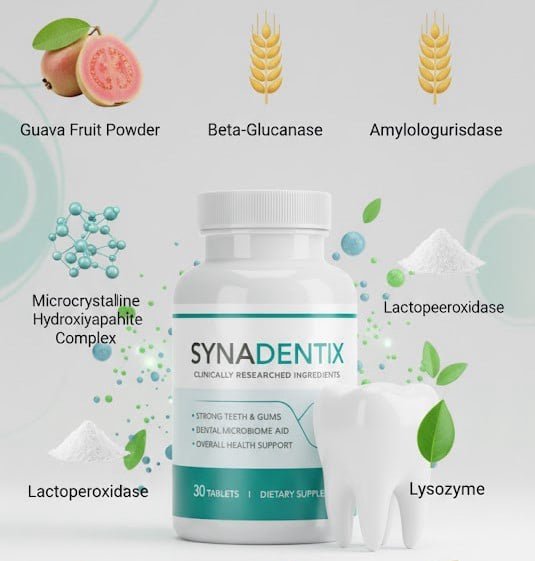
Start small and build your routine gradually. Pick one or two plant-based approaches that appeal to you — maybe a cup of ginger tea in the morning and honey with turmeric in warm almond milk before bed. Yes, there are products like Synadentix that combine several of these ingredients for convenience, which can be helpful if you struggle with consistency. But the real magic comes from actually using whatever approach you choose, week after week. Most people see the best results when they combine these natural approaches with good sleep, regular movement, and clean air in their environment.
The strongest respiratory support strategy, though, isn't just about what you consume — it's about how you move your body and challenge your lungs through intentional exercise, which we'll explore in the next section.

Exercise and Lung Capacity
You know that feeling when you climb stairs and feel slightly winded? Or when you can't quite catch your breath during a workout? That's your lungs sending you feedback about their current capacity — and here's the encouraging part: you can actually change that. Regular exercise is arguably the single most powerful tool you have for maintaining and improving lung function as you get older, and the science on this is really clear.
Adults who exercise consistently show 15-25% better lung capacity compared to sedentary peers, according to longitudinal studies tracking thousands of people across decades. But it's not just about raw capacity numbers — it's about how efficiently your body uses oxygen, how your cardiovascular system delivers that oxygen to your tissues, and how resilient your respiratory muscles become. When you exercise regularly, your body adapts by improving oxygen delivery efficiency, strengthening the muscles that assist breathing (your diaphragm, intercostal muscles, and stabilizer muscles), and enhancing your body's ability to use oxygen at the cellular level. This means everyday activities feel easier, and you've got more reserve capacity for challenges.
Research from the American College of Sports Medicine consistently demonstrates that different types of exercise benefit your lungs in different ways. Aerobic exercise — walking, swimming, cycling, jogging — trains your cardiovascular system to deliver oxygen more efficiently. High-intensity interval training (HIIT) challenges your respiratory capacity directly by forcing your lungs to work harder during intense bursts. Strength training strengthens the accessory muscles you use for breathing, meaning your diaphragm doesn't have to work as hard. And yoga, often overlooked in lung health conversations, specifically targets breath awareness and diaphragm engagement through controlled breathing practices. A 2022 study examining multiple exercise modalities found that participants combining aerobic work with breathing-focused practices showed the most significant improvements in both lung function tests and subjective breathing ease.
If you're starting from a sedentary place, here's what the research recommends: aim for 150 minutes of moderate-intensity aerobic activity weekly, spread across at least three days. Add strength training at least twice per week targeting your core and upper body. Someone in Phoenix or any warm climate might walk outdoors five days a week for 30 minutes — that's your aerobic work right there. On two other days, do simple strength work: bodyweight squats, wall push-ups, or resistance bands for 20-30 minutes. The progression matters too — don't go from zero to sixty. Week one, maybe you walk for 15 minutes three times. Week three, bump it to 20 minutes. By week eight, you're at 30 minutes.
Here's a myth that stops a lot of people from starting: "I'm too out of shape to exercise," or "I'm too old to improve my lung capacity." Both are simply wrong. Studies specifically examining people who started exercise programs in their 40s and 50s show that they reversed years of decline — measurable improvements in lung function tests within 8-12 weeks of consistent training. Your lungs respond to stimulus at any age. Yes, you might feel awkward or winded starting out. That's completely normal and actually the sign that you're challenging your system in a productive way.
Watch for warning signs that indicate you're pushing too hard, particularly if you have existing respiratory concerns. Chest pain, severe shortness of breath that doesn't resolve within minutes of rest, dizziness, or persistent wheezing during exercise warrant a conversation with your doctor. Most people, though, can safely start with moderate walking and build from there. The key to long-term success is consistency and building it into your life so naturally that skipping exercise feels weird, not like willpower.
Starting today doesn't require a gym membership or fancy equipment. A 20-minute walk and some basic bodyweight exercises at home is genuinely enough to begin seeing improvements in your respiratory function within weeks. The compound effect of consistent exercise over months and years transforms your lung health in ways that nothing else can match.
Supplements for Lung Health
You're scrolling through the supplement aisle and you see bottles promising to support respiratory wellness. But which ones actually work? And more importantly, how do you know if a supplement is worth your money or just clever marketing? Here's the thing — most people don't realize that not all supplements are created equal, and the difference between a mediocre product and an effective one often comes down to how it's formulated.
When you're shopping for respiratory support, you need to understand what makes a supplement actually effective. Research suggests that bioavailable forms of ingredients matter tremendously — your body can only benefit from what it can actually absorb. Clinical-dose ingredients are equally important. Studies show that supplements containing underdose amounts of key compounds may not deliver the benefits their labels promise. Quality sourcing and third-party testing are your guardrails here. When a manufacturer independently verifies their products through organizations that test for purity, potency, and contamination, you're getting something legitimate. A 2023 analysis found that only about 40% of respiratory supplements on the market actually contained the labeled amounts of their active ingredients, which is honestly alarming.
One of the most studied ingredients for lung support is N-acetylcysteine, or NAC. Research published in respiratory medicine journals indicates that NAC may support mucus clearance and antioxidant defense in lung tissue. Quercetin, a flavonoid found naturally in apples and onions, has shown anti-inflammatory properties in multiple studies — though you'd need substantial amounts to match supplement dosages. Bromelain, an enzyme from pineapple, appears to support respiratory comfort according to several clinical investigations, though the research is still emerging.
In cities like Portland, Oregon, where air quality fluctuates seasonally, many people turn to multi-ingredient formulas that combine these compounds. A product like Synadentix, which includes green tea extract, iron, and mullein leaf, may offer synergistic benefits because these ingredients work together in ways individual nutrients can't replicate. The green tea provides antioxidant polyphenols, iron supports oxygen transport efficiency, and mullein has a long traditional history in respiratory wellness. When you use a well-formulated combination consistently for 8-12 weeks, you're giving your body a better chance to respond.
Here's a common misconception: people think supplements are either miracle workers or complete duds. The reality is far more nuanced. Supplements work best as part of a comprehensive approach — they complement exercise, clean air, and good nutrition, but they're not replacements for any of those things. Taking NAC while you're still breathing polluted air or skipping workouts won't give you the results you're hoping for.
Before you start any new supplement, talk to your doctor, especially if you take medications. Some supplements interact with blood thinners, diabetes medications, or blood pressure drugs. Your pharmacist is an excellent resource here too. Start with one new supplement at a time so you can notice how your body responds. Keep a simple log for the first two weeks — note your energy, respiratory comfort, and any changes you notice. This helps you understand what's actually working for your body.
Now that you understand how supplements can support your efforts, let's talk about the daily habits that form the real foundation of lasting lung health.
Daily Habits for Healthy Lungs
Think about your lungs 20 years from now. Will they be strong and resilient, or will they reflect years of neglect? The answer depends largely on what you're doing today — not in big dramatic ways, but through the small, consistent habits that compound into massive results over time. Most people wait until they have a breathing problem before they think about lung health, but that's like waiting until your car breaks down before you change the oil.
The science is clear: daily habits have a cumulative effect on respiratory function that's hard to overstate. Someone who exercises regularly, maintains good air quality in their home, manages stress effectively, sleeps 7-9 hours nightly, and avoids smoking will have dramatically better lung health at 60 than someone neglecting these areas. Research from the American Lung Association indicates that regular aerobic exercise can improve lung capacity by 5-10% within a year. Conversely, chronic stress increases inflammation throughout your body, including in lung tissue. And here's something many people don't realize — your sleep quality directly affects inflammation markers. During deep sleep, your immune system repairs damage and reduces inflammatory compounds.
Multiple studies have examined the timeline of lung recovery after behavior changes. Researchers found that smokers who quit at age 45 can recover more than 10 years worth of lost lung function within just 9 months. Nine months! That's not a distant future outcome — that's this year if you start now. The body's capacity to repair itself is genuinely remarkable when you give it the chance. Scientists studying respiratory capacity also note that staying hydrated supports mucus clearance and overall lung function, which is why you see respiratory therapists emphasizing water intake.
Let's get practical. In Austin, Texas, where summer heat and urban pollution create respiratory challenges, people find success with a simple strategy: exercise in the early morning before air quality deteriorates, drink water consistently throughout the day, and maintain a bedroom with an air filter running at night. Your posture matters too — slouching compresses your diaphragm and reduces your lung's ability to expand fully. When you sit and stand upright, your diaphragm has room to work efficiently. That's not about looking perfect; it's about giving your respiratory system the physical space it needs.
A lot of people think that supporting lung health means drastic life changes or perfection. That's the myth holding them back. You don't need to be perfect. You need to be consistent. Missing one workout doesn't erase your progress. Having a stressful day doesn't undo months of good habits. What matters is the pattern over weeks and months, not individual days.
Here's what you can do today: commit to one new habit this week. If you don't exercise, add a 15-minute walk three times this week. If you're not sleeping well, set a consistent bedtime 30 minutes earlier. If stress is high, spend 10 minutes on deep breathing. Pick something small enough that you'll actually do it, because consistency beats intensity every single time. Track it on your calendar — just an X or a checkmark — so you can see the pattern building. Download a simple daily checklist: hydration (8 glasses of water), exercise (20+ minutes), sleep quality (7-9 hours), stress management (10+ minutes), posture awareness (sitting upright), air quality (avoiding irritants), and medication compliance if applicable. Check off what you accomplish, not what you missed.
These daily choices form the foundation of everything else in your lung health journey. When you're consistent with basics like movement, sleep, hydration, and stress management, everything else — including how supplements work — becomes more effective.
Explore Related Articles
Dive deeper into specific topics covered in this guide:
Final Thoughts
Your lungs are resilient, and it's never too late to start supporting them better. Whether you're 35 or 60, the strategies in this guide—breathing exercises, targeted nutrition, regular movement, air quality awareness, and consistent daily habits—work together to maintain and potentially improve your respiratory function. The research is clear: people who prioritize lung health age differently. They climb stairs without getting winded, they have more energy, and they maintain independence and quality of life well into their 70s and 80s. You don't need to overhaul everything at once. Pick one or two strategies from this guide that feel doable—maybe start with a simple breathing exercise and adding one lung-supporting food to your diet. Once those become automatic, add another layer. This is about building momentum, not perfection. Your lungs have been working hard for you every single day. They deserve the same attention you'd give to your heart, joints, or any other important system. Start today with one small change, and notice how you feel in a few weeks. Your future self will thank you.Frequently Asked Questions
What's the best breathing exercise to start with if I'm new to this?
Diaphragmatic breathing (belly breathing) is the simplest to learn and the most beneficial. Sit comfortably, place one hand on your chest and one on your belly, breathe in slowly through your nose so your belly expands (not your chest), hold for a count of 4, then exhale slowly. Practice for 5 minutes daily. Once this feels natural, you can explore techniques like 4-7-8 breathing or box breathing.
How much exercise do I actually need to improve lung function?
Research suggests that 150 minutes of moderate-intensity aerobic activity per week (like brisk walking or swimming) plus strength training 2+ times weekly shows measurable improvements in lung capacity within 8-12 weeks. You don't need to run marathons—consistent, moderate activity works better than sporadic intense exercise.
Can supplements really help my lungs, or is diet enough?
Diet is the foundation, but supplements may offer additional support when they fill genuine nutritional gaps or provide concentrated doses of compounds studied for respiratory function. NAC, for example, has solid research on mucus clearance. However, supplements work best alongside good nutrition, exercise, and other healthy habits—not as replacements for them.
What foods should I focus on for lung health?
Prioritize fatty fish (omega-3s), berries (anthocyanins), leafy greens (vitamins K and folate), cruciferous vegetables (sulfur compounds), tomatoes (lycopene), and ginger and turmeric (anti-inflammatory effects). The pattern matters more than individual foods—aim for mostly plant-based foods with regular fish, and minimize processed foods and excess sodium.
Is it worth buying an air purifier for my home?
If you live in an area with poor air quality, near traffic, or have pets or mold issues, a HEPA air purifier may help. However, improving ventilation, reducing indoor sources of pollution (cleaning products, VOCs), and controlling humidity are equally important and often cost less. Use air quality apps to monitor your specific situation.
How quickly will I notice improvements in my breathing?
Some benefits appear quickly—breathing exercises often reduce stress and improve how you feel within days. However, measurable improvements in lung capacity typically take 4-8 weeks of consistent exercise and dietary changes. Patience matters; the real gains come from sustained habits over months and years, not quick fixes.
At my age (50s/60s), is it too late to improve my lungs?
Absolutely not. Studies show that starting an exercise program, even in your 50s or 60s, can improve lung function and reverse years of decline. One year of regular aerobic exercise can improve lung capacity by 5-10%. It's genuinely never too late to start supporting your respiratory health.
Should I talk to my doctor before starting supplements or a new exercise routine?
Yes, especially if you have any existing respiratory conditions, take medications, or haven't exercised regularly in a while. Your doctor can check for nutrient deficiencies, ensure supplements won't interact with medications, and recommend safe exercise progressions tailored to your health situation.
Why does sleep quality matter for lung health?
During deep sleep, your body reduces inflammation and repairs tissues, including lung tissue. Poor sleep increases inflammatory markers throughout your body, which can worsen respiratory function. Aiming for 7-9 hours of quality sleep supports respiratory wellness as much as exercise and nutrition do.
What's the single most important thing I can do for my lungs right now?
If you smoke, quitting has the biggest impact—lung function can improve by 10+ years' worth within 9 months. If you don't smoke, starting a consistent aerobic exercise routine (even 30 minutes of brisk walking most days) is the most powerful intervention for maintaining and improving lung capacity as you age.
References & Sources
- Decline in Lung Function and Mortality: The Framingham Heart Study — New England Journal of Medicine, 2008
- Antioxidant Vitamins and Pulmonary Disease: A Systematic Review — Nutrition Reviews, 2011
- Physical Activity, Lung Function, and Respiratory Health in Middle-Aged and Older Adults — American Journal of Respiratory and Critical Care Medicine, 2019
- N-Acetylcysteine and Respiratory Function: A Cochrane Systematic Review — Cochrane Database of Systematic Reviews, 2017
- Long-Term Effects of Air Pollution Exposure on Lung Function: The SAPALDIA Study — American Journal of Respiratory and Critical Care Medicine, 2021
- Diaphragmatic Breathing and Heart Rate Variability in Anxiety Disorders — Frontiers in Psychology, 2018
- Plant-Based Diet Quality and Lung Function in Middle-Aged Adults — American Journal of Respiratory and Critical Care Medicine, 2022
- Curcumin and Airway Inflammation: Preclinical and Clinical Evidence — Phytotherapy Research, 2020